


An east-facing house Vastu plan is often seen as the “safe choice.” Many homeowners feel reassured the moment they hear the entrance faces east. It sounds correct, auspicious, and settled. However, a good home is not created by direction alone. How light enters the apartment, how air moves through the rooms, and how people living in cities use the space from morning to night all play significant roles in designing a home. If Vastu is followed without understanding lifestyle patterns, the result can feel forced instead of harmonious.
Let’s go through how you can integrate an east-facing house Vastu plan while still creating a modern home with all the required amenities to survive city life.
In Vastu, the east is associated with the rising sun. Symbolically, that represents growth and clarity. In practice, it means your home receives softer morning light rather than harsh afternoon heat. From a design perspective, this is valuable.
Morning light enhances mood, reduces glare, keeps living areas cooler in the afternoon, and supports natural ventilation. An east-facing house plan with Vastu Shastra often positions active zones like the living room or entrance toward the east because families are most active during those hours. So, when Vastu says “invite energy from the east,” designers interpret it as “optimise daylight where life happens first.”
If you look closely at a house plan according to Vastu Shastra, you’ll notice that it reflects many modern architectural principles. Public areas are near entry points, private bedrooms are tucked deeper inside, heat-producing functions are placed strategically, and clear circulation is maintained without blocked corners.
Today’s designers speak in terms of zoning, ventilation paths, and visual openness. Vastu speaks in directional balance. Both aim for comfort and clarity. The issue arises only when an east-facing house Vastu plan prioritises directions over usability and daily living.
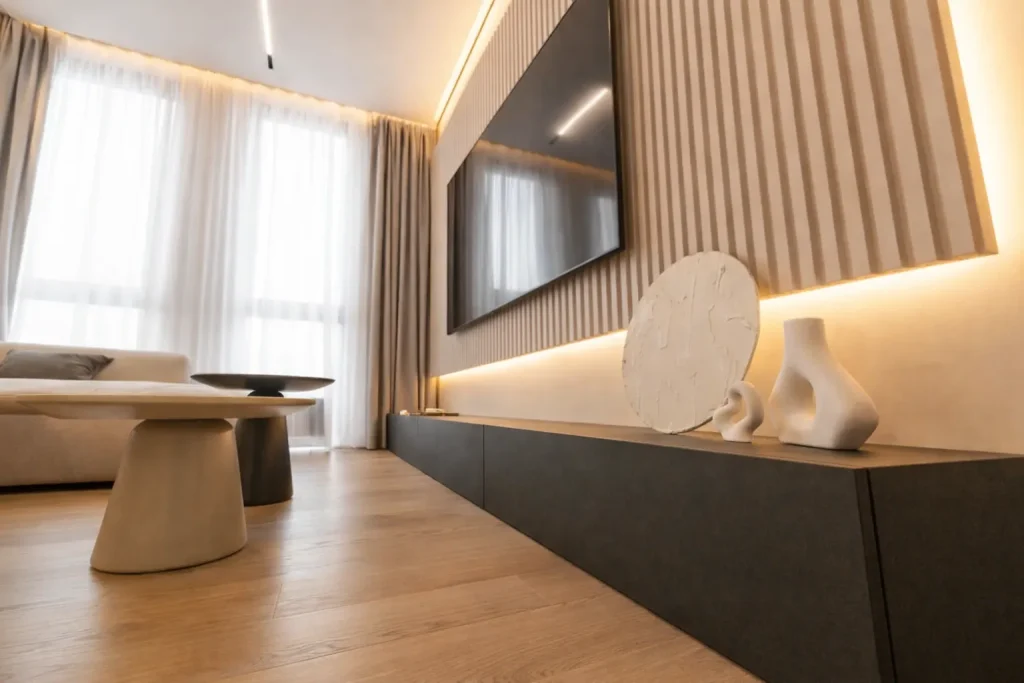
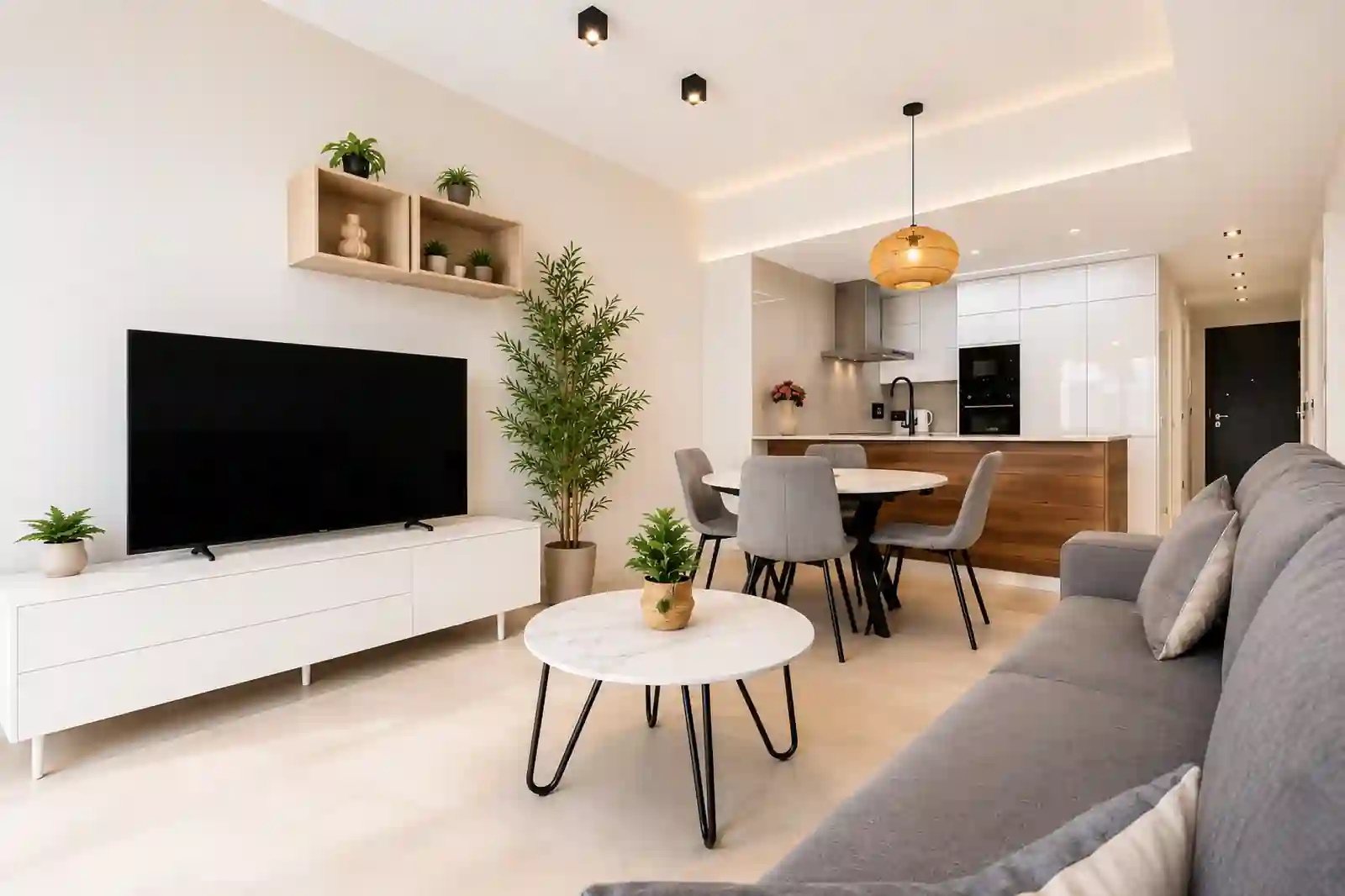
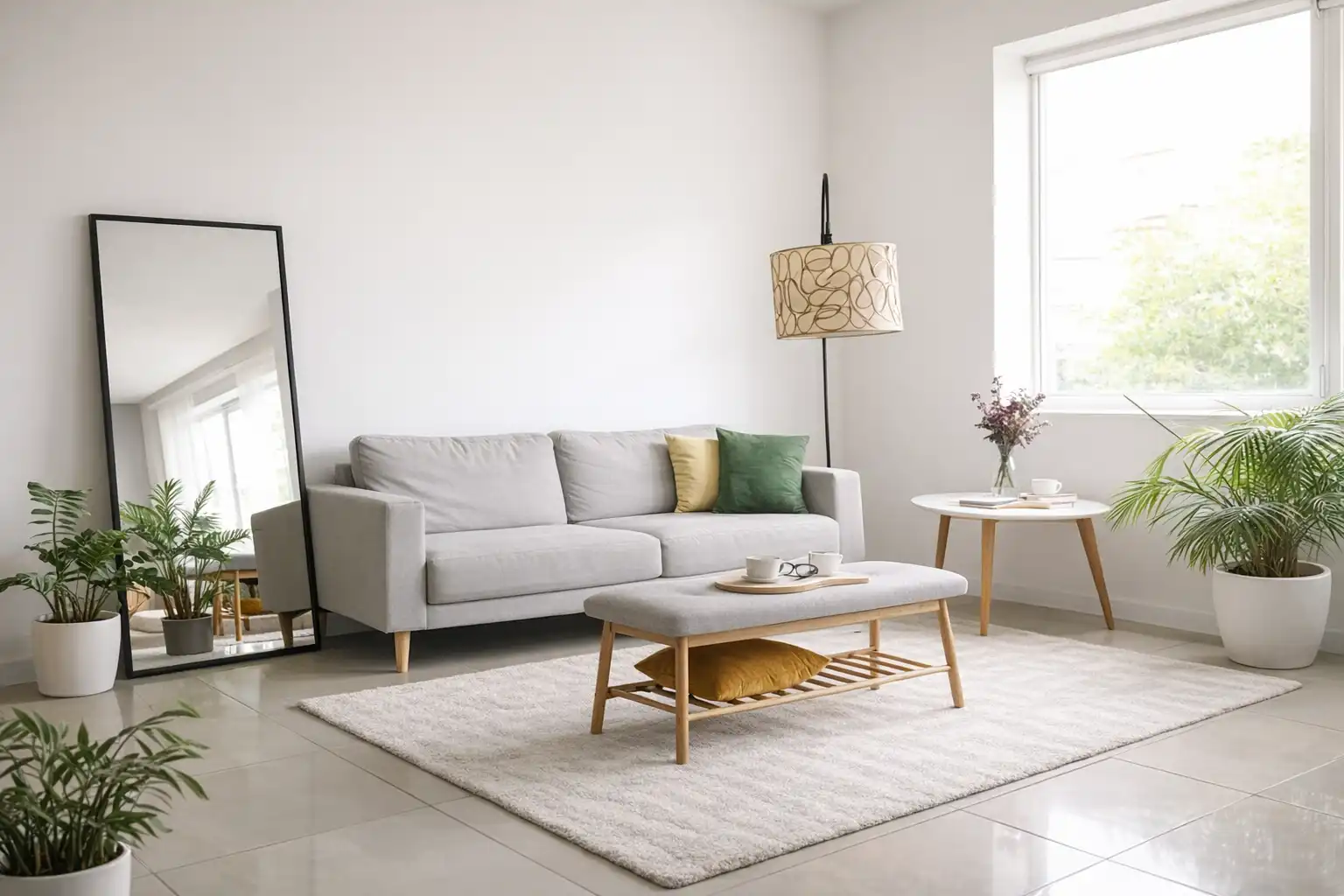
The living room is ideally placed in the east or north-east. Morning light in the living room makes the home feel open and awake. It also keeps social areas bright during the day without artificial lighting.
A common mistake seen in many east-facing house Vastu tips is cluttering the east wall with heavy cabinets or large storage units. That blocks the very light that the direction is supposed to invite. Designers keep this zone visually lighter, allowing light and circulation to move freely.
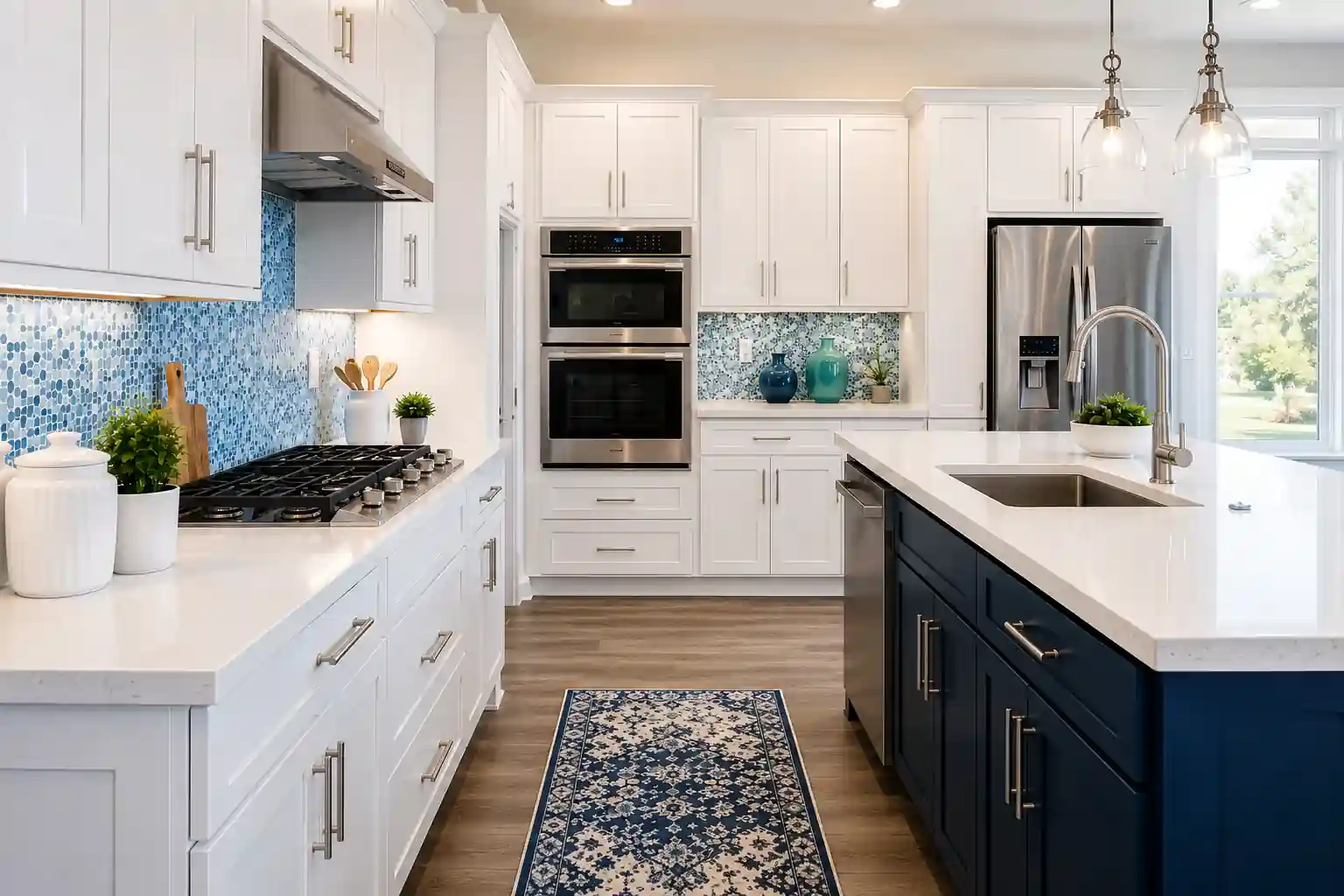
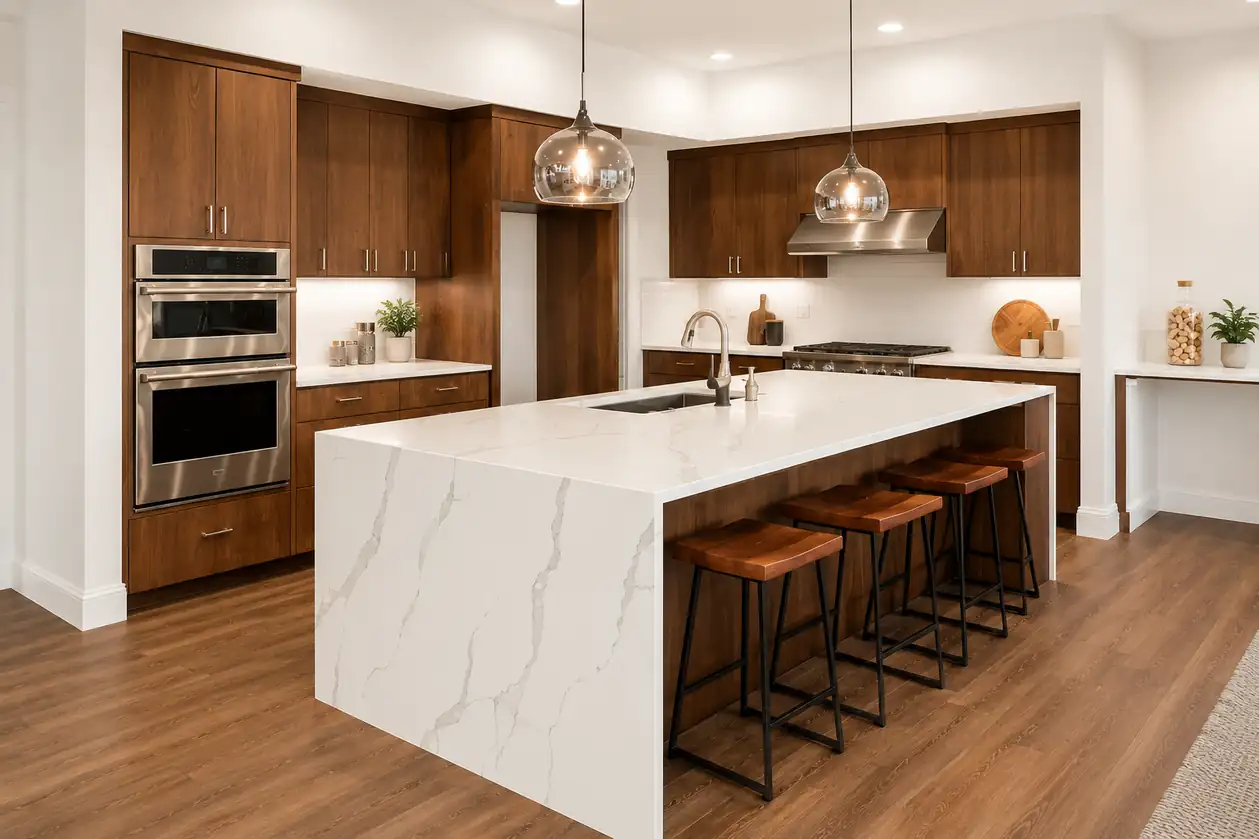
The kitchen is traditionally recommended in the south-east, the direction associated with fire. Functionally, this works because kitchens generate heat and placing them toward the south-east prevents excess warmth from seeping into the bedrooms.
In Mumbai, kitchen positions are often predetermined by the builder. When considering east-facing flat Vastu, experienced Mumbai-based interior designers will adjust the stove orientation, storage planning, and lighting to create balance, as structural changes may not be possible.
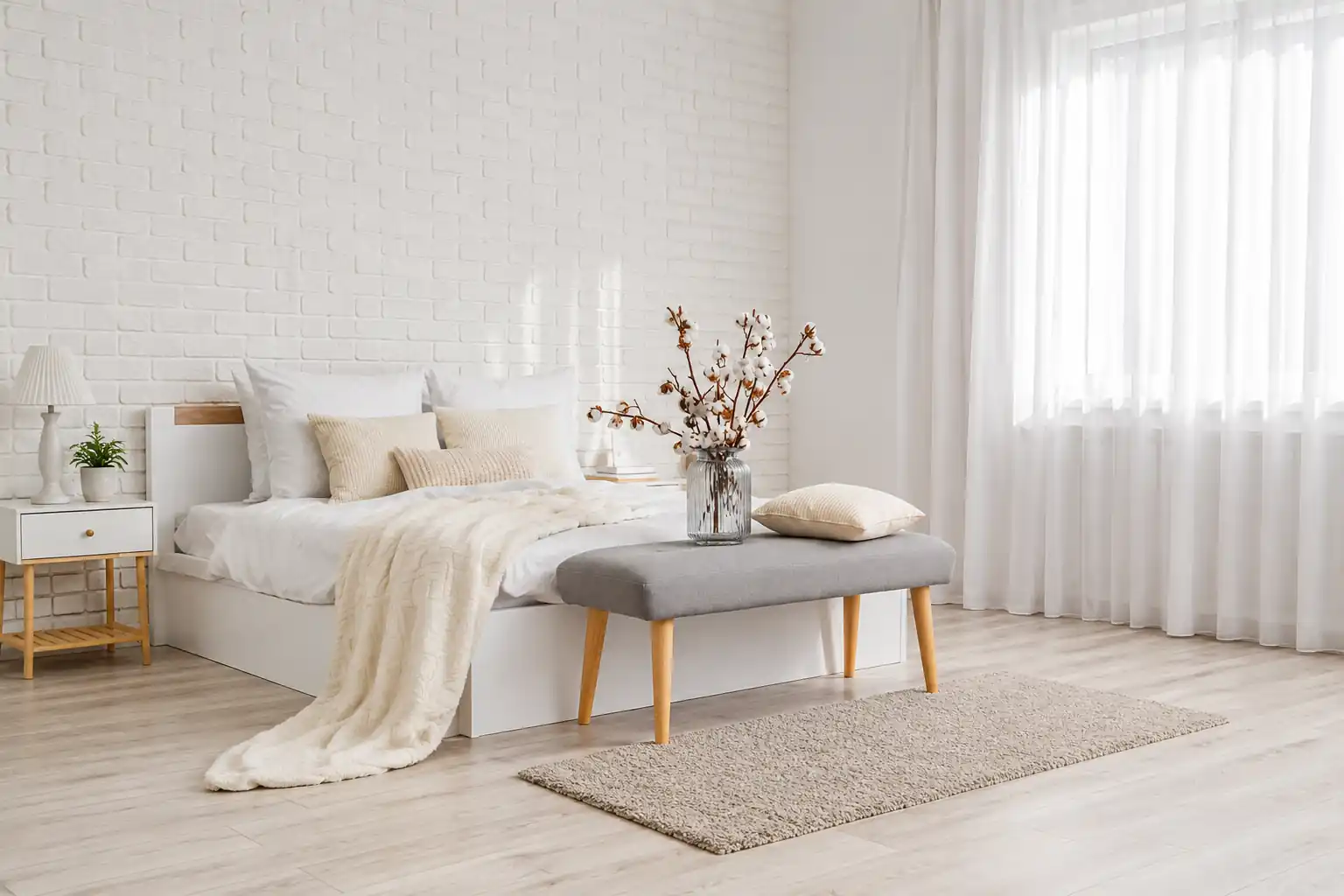
When designing a master bedroom, Vastu specialists commonly recommend a south-west placement. From a design standpoint, this zone tends to feel stable and private. It remains insulated from main entrances and busy zones.
In an east-facing house Vastu plan, keeping bedrooms away from the strong morning glare also supports restful sleep. Designers prioritise proper bed alignment, smooth circulation, soft, calming colours, and controlled lighting levels to fit into modern living habits.
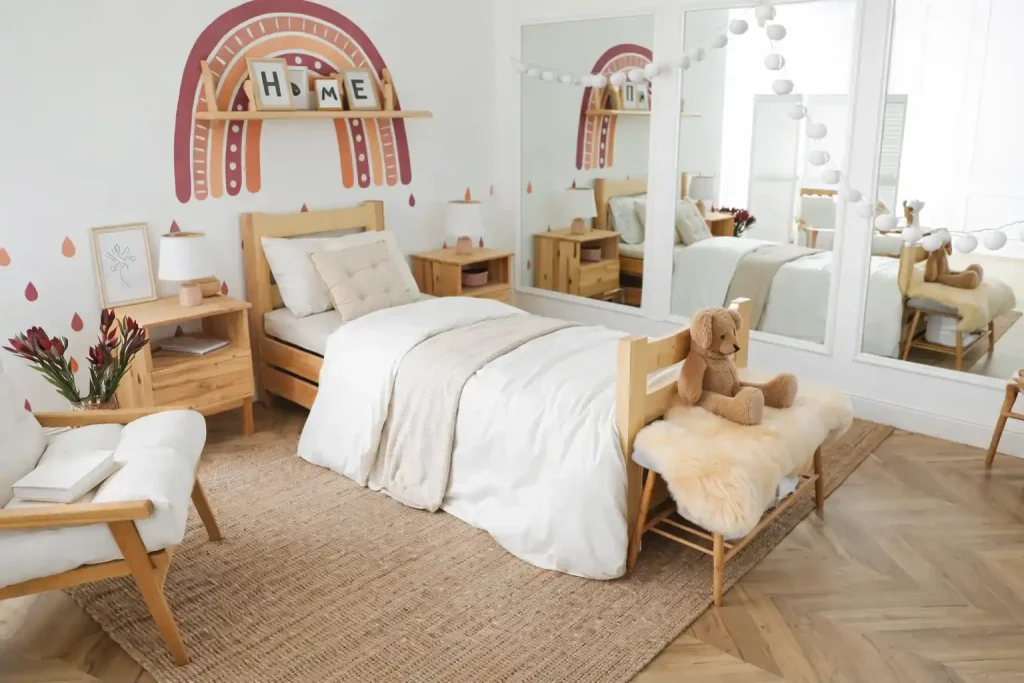
West or north-west often works well for this area. These areas receive gentler evening light, suitable for study corners and play zones. Instead of focusing only on compass directions, designers consider where natural light falls during homework hours. This is where Vastu logic meets daily routine.
Washrooms are generally recommended in the west or north-west zones. In high-rise Bangalore layouts, plumbing lines limit flexibility. So instead of demolishing walls, top interior designers in Bangalore improve the ventilation, door orientation, visual privacy, and exhaust placement. For east-facing flat Vastu, thoughtful detailing achieves balance without impractical reconstruction.

North-east placement is preferred for the pooja room. This corner often receives soft natural light and minimal disturbance. Designers integrate mandirs within living or dining zones in a way that feels serene but not isolated. The intention is calmness, not confinemen
In independent homes, south or west placement is typical for the staircase. In an east-facing house Vastu plan, the objective should be to prevent the staircase from blocking eastern light entry. Some simple Vastu tips for staircases include having an open railing system and adding lighter finishes to help maintain a visual flow.
An effective east-facing house Vastu plan respects airflow and daylight first. Energy flow is deeply connected to spatial clarity.
This approach ensures the house plan according to Vastu Shastra remains functional within real-world constraints. Homes should feel intuitive, not engineered around anxiety.
An east-facing home offers real potential. Morning light supports active spaces, smart zoning protects privacy, and ventilation improves comfort. Vastu does not oppose modern design, and when interpreted thoughtfully, it strengthens it.
A well-planned east-facing house Vastu plan doesn’t feel like it’s following rules. It feels naturally aligned with the bright morning light, the calmness of the night, and the routines of everyday life.
Bonito Designs approaches planning through its LifeDesign philosophy. That means studying how the family wakes up, entertains, cooks, and rests before finalising layouts. Rather than mechanically following Vastu charts, the team analyses:
With in-house execution and ISO-certified processes, every directional adjustment integrates seamlessly into the overall design. The result is an east-facing house Vastu plan that feels contemporary and balanced, not restrictive. Book your consultation with Bonito Designs today to perfectly balance your home’s Vastu with modern amenities!